

Strip away the neon and the spinning reels for a second. The thing that actually separates a player who lasts five years from one who blows a paycheck in a weekend isn't luck — it's understanding how these games are built. RTP, house edge, variance, rake. Boring words, sure, but they decide everything about whether you walk away up or down. Let's dig into how online casinos, sportsbooks, and poker rooms actually make their money, and how you can use that knowledge instead of getting flattened by it.
The House Edge Isn't a Scam — It's the Business Model
Every game you play has a built-in mathematical advantage for the operator. That's not cheating; it's arithmetic baked into the rules and the paytable. The percentage the casino expects to keep over the long run is called the house edge, and it varies wildly between games.
- Blackjack (basic strategy): roughly 0.5% house edge
- Baccarat (banker bet): about 1.06%
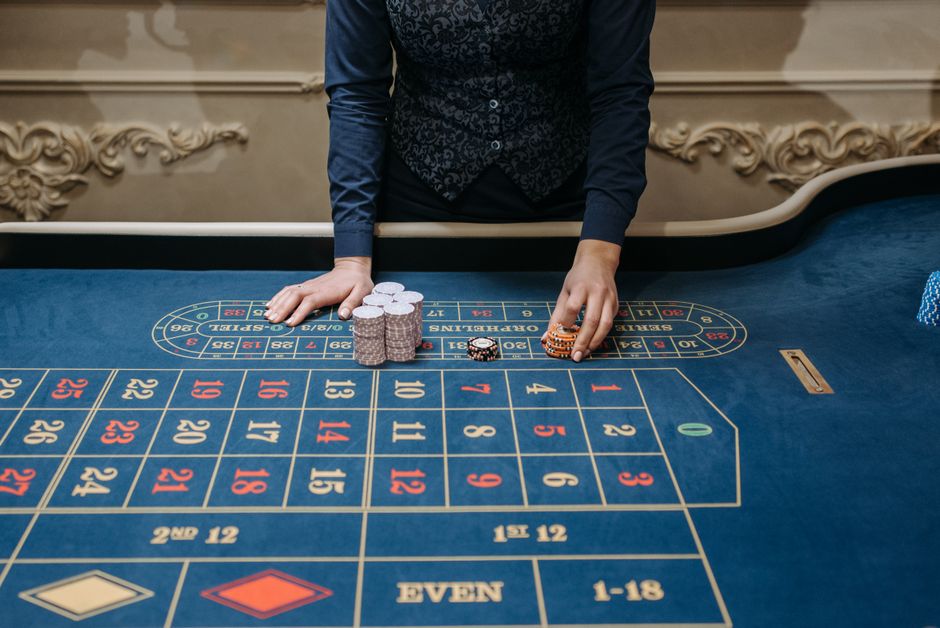
- European roulette: 2.7%
- American roulette: 5.26% (that extra double-zero is brutal)
- Slots: typically 2% to 10%, sometimes higher
- Keno: often north of 25%
See the pattern? The smarter players spend more time where the edge is thin. A 2% difference sounds tiny until you run 10,000 spins or hands through it. On $10,000 of wagering, that's $200 versus $1,000 gone. That's the gap between a player who grinds profitably and a player funding the casino's Christmas party.
RTP, Volatility, and Why Two Identical-Looking Slots Behave Nothing Alike
Return to Player, or RTP, is the flip side of the house edge. A slot with 96% RTP returns $96 for every $100 wagered — over millions of spins, not the twenty you spin tonight. RTP is a long-run average, and the short run is where players actually live and die.
That's where volatility, sometimes called variance, comes in. Two slots can both have 96% RTP and feel completely different:
- Low volatility: frequent small wins, gentle bankroll grind — think classic 3-reel fruit machines
- Medium volatility: balanced hits, decent bonus frequency — the workhorse of modern video slots
- High volatility: long dry spells punctuated by massive payouts — the "megaways" and bonus-buy monsters with 10,000x max wins
If you pick a 50,000x max-win slot with a $100 bankroll and 20 cent spins, you'll probably see it eat your balance alive before it ever triggers anything. That's not bad luck; that's you picking a machine that assumes a deeper bankroll than yours. Match your roll to the volatility, not the other way around.
Sports Betting: The Vig Is Where the Profit Hides
Everyone talks about picking winners. Almost nobody talks about the vig — the commission baked into the odds. A standard spread of -110 on both sides means you need to win 52.4% of your bets just to break even, not 50%. That 2.4% is the book's cut, and it's the reason casual bettors think they're "basically even" when their balance is slowly bleeding.
Practical tips that actually move the needle:
- Line shop relentlessly. The difference between -110 and -105 on the same game is real money over 500 bets.
- Track closing lines. If your numbers consistently beat the closing line, you've got an edge — even if your short-term record is ugly.
- Ignore parlays for profit. Their edge compounds nastily. Fun, yes. Profitable, almost never.
- Treat bonuses as separate EV calculations. A $1,000 bonus with 40x rollover on a 5% edge slot is not the free money it looks like.
Poker Is the One Game You Can Actually Beat
Here's the honest truth: poker is the only mainstream iGaming format where a skilled player can genuinely beat the game long-term — because you're not playing against the house. You're playing against other people and paying the house a toll called rake.
But the rake is a silent killer, especially at low stakes. A typical 5% rake capped at $3 in a $1/$2 no-limit game means you're paying roughly $10-$15 per hour out of the pot. That's fine if the other players are worse than you by more than the rake. It's a slow leak if they aren't. At micro stakes, some rake structures are so punishing that no amount of "solid ABC poker" overcomes them. The winning move is often moving up in stakes — or picking rooms with softer opponents and lower rake — rather than grinding harder at a bad table. A good place to continue is L'Avenue Dubai.
A Quick Word on Bankroll Management
No game strategy survives bad bankroll management. Rough starting frameworks:
- Cash poker: 20+ buy-ins for your stake
- Tournaments: 50-100 buy-ins, because variance is savagely higher
- Sports betting: flat 1-2% units per play, never chase
- Slots: at least 200 spins' worth of minimum stake, and treat it as entertainment spend
These aren't rules from a guru; they're buffers against going broke during a normal losing streak. And losing streaks are normal. They happen to everyone. The difference is whether you're still in the game when they end.
The Bonus Trap (And How to Read One Properly)
Casino bonuses look generous until you read the terms. A 100% match up to $500 with 40x wagering and "slots count 100%, table games 10%" translates to: you'd need to wager $20,000 before withdrawing a cent. On a 4% edge slot, that's an expected loss of $800 — more than the bonus is worth. Meanwhile, a 30x bonus on a 96% RTP slot has expected value around +$120. Same headline, totally different reality.
Before you claim anything, check:
- Wagering multiplier and what it applies to (deposit only, or deposit + bonus?)
- Game weighting — where does your favorite game count?
- Maximum bet per spin while clearing
- Time expiry
- Max cashout caps on "free" wins
If any of those make you squint, walk. There's always another bonus tomorrow.
Where This Leaves You
The iGaming world isn't rigged against you, but it isn't designed to hand you money either. It's a math shop, and the math is public once you know where to look. The players who stick around and actually enjoy themselves are the ones who pick thin-edge games, size their bets to their bankroll's reality, treat slots as entertainment rather than income, and understand that poker is a skill game but only above a rake threshold that most casual players never clear.
None of this kills the fun. Honestly, it makes it better — because you stop blaming bad beats for things you could have calculated, and you start noticing when a game, a bonus, or a table is actually worth your time. That's not gambling wisdom. That's just paying attention.
Related posts
More stories you’ll love reading