


Fishing
Beginner's Guide to River Fishing on the Severn: Reading Water and Choosing Baits
September 20, 2026
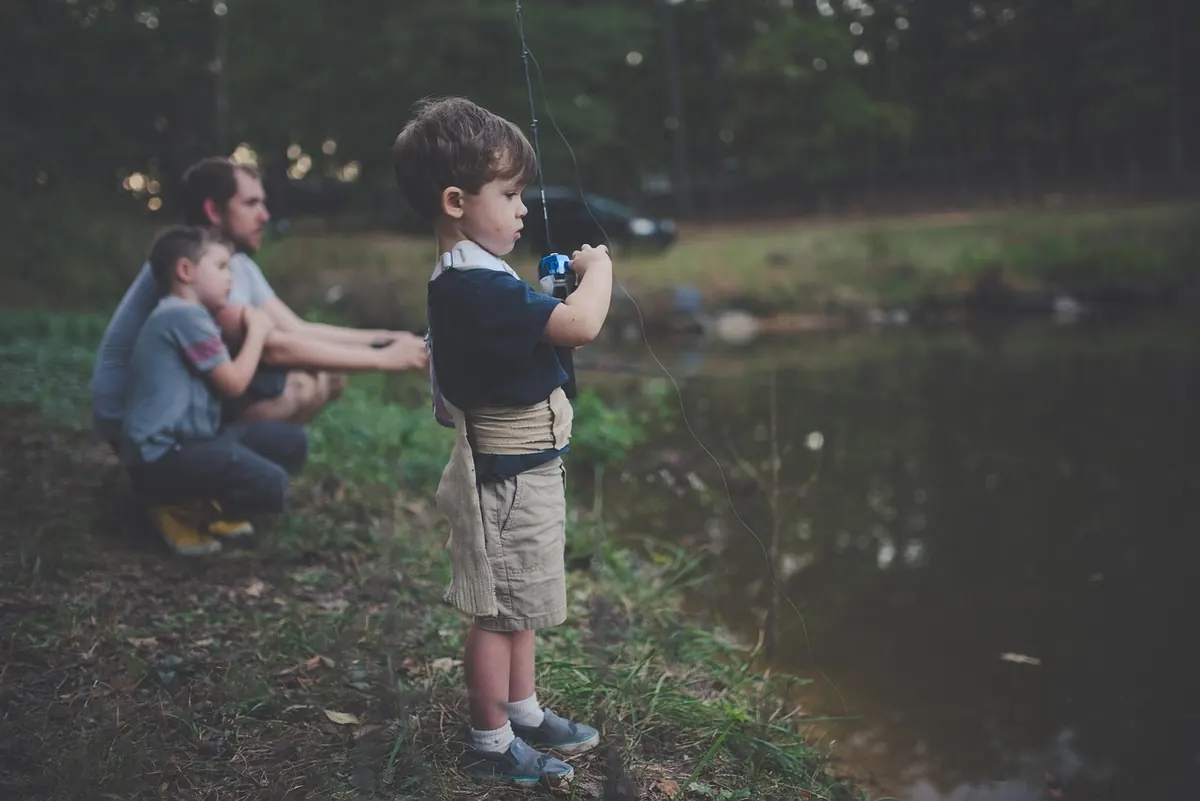
The Severn is a big river, and that is the first thing to get your head around. It also looks empty. Miles of brown water sliding past with nothing much happening, until someone forty yards downstream lifts a net under a barbel and you realise the fish were there all along, sitting in water you walked straight past. Learning to see that water, and to pick a bait the fish actually want, is most of the battle. The rest is detail.
Start With the Stretch, Not the Swim
Before you worry about tactics, choose somewhere forgiving. The middle reaches around Shrewsbury, Ironbridge, Bridgnorth and Bewdley offer a good mix: shallow riffles, deeper glides, gravel runs and enough bankside access to move around. Much of it is day ticket water or free fishing, but check locally before you set up, and remember you need a rod licence to fish in England and Wales. Age exemptions and licence types change, so confirm the current rules before you buy.
Leave the tidal reach below Gloucester alone for now. The bore, the shifting levels and the sheer volume of moving water make it a different sport, and not one to learn on. A non-tidal stretch with a footpath, a few obvious features and a short walk from the car is worth more than a famous beat you cannot read.
Reading the Water: Where Fish Actually Sit
Fish do not spread themselves evenly across a river. They sit where the current gives them food without costing them energy. On the Severn you are looking for a handful of recognisable features.
The crease
A crease is the seam where fast water meets slow. It shows as a faint line on the surface, sometimes with a slight boil or a run of bubbles. Food carried down the fast lane spills sideways into the slower water, and fish line up along that edge, facing upstream, picking off whatever arrives. On a wide Severn glide you might find two or three creases running parallel. Fish the one nearest the far bank first when you can reach it.
Cover and edges
Chub in particular love anything that breaks the flow: overhanging trees, sunken branches, undercut banks, the shadow beneath a bridge arch. A tree that trails in the water on the far side is worth a cast even if the swim looks ankle deep. Fish close to cover, not twenty yards out in the middle.
Depth and gravel
Barbel and dace both favour gravel, especially where the pace picks up and the water is well oxygenated. Look for a shallower gravel tongue running into a deeper pool. Bream and roach prefer the slower, deeper glides below those runs, and perch tend to hang around slacks and marginal cover near structure.
The slack
Behind every obstruction there is a pocket of almost still water. These slacks collect debris, bait and insects, and they hold fish on days when the main flow is pushing hard after rain. They are also easy to fish, because you can hold a bait still in them.
If you can only remember one thing: fish the edges, not the middle. Most beginners cast too far.
Plumbing a Swim Before You Fish It
Spend ten minutes finding out what is in front of you before you bait up. It saves an hour of guessing.
- Set up a lead or heavy float and cast to the far side of the area you intend to fish.
- Let it settle, then wind in slowly, counting the seconds and feeling for the tick as the lead drags up a shelf or drops into a hole.
- Repeat in a line across the swim, a couple of yards apart, until you have a rough map of depth.
- Mark the spots where the pace changes. Those transitions are where you want your hookbait.
- Note any snags the lead catches on, and avoid them until you are more confident.
On a rising river, do this again the next time you visit. The Severn can change shape after a good flush of water.
Simple Baits That Catch Severn Fish
You do not need a fridge full of exotic offerings. These six cover nearly everything a beginner will meet:
- Maggots and casters — the all-rounders. Dace, roach, chub, perch and gudgeon all take them. Loose feed a few every cast.
- Hemp — small dark seeds that hold roach and dace in a swim once they start. Feed little and often.
- Sweetcorn — cheap, stays on the hook, and chub and bream love it.
- Luncheon meat — cut into cubes for chub and barbel. A classic Severn bait in coloured water.
- Pellets — hookable and feed pellets are simple to use and effective for barbel in warmer months.
- Bread flake and cheese paste — chub baits for when the river is low, clear and difficult.
Match the size of your bait to what you are feeding. A lump of meat the size of a thumbnail will catch chub, but it will also miss everything smaller. If you are getting bites and not connecting, scale down. If small fish are whittling your bait away, scale up or switch to corn or meat.
Feed lightly. A handful of bait in the right place beats a kilo spread over the wrong one, and on a big river you simply cannot compete by volume. Little and often, in the crease or slack you have chosen, is enough.
A Basic Setup for a First Session
Two approaches will cover most situations. A float rig, either a stick float trotted down the swim or a waggler fished at a set depth, is the most enjoyable way to learn a stretch, because you can see the current working and adjust depth as you go. A simple running feeder rig, cast to the same spot every time and left for ten or fifteen minutes, is more patient but very effective for chub, bream and barbel.
Take both if you have the rods. Start with the float in the crease, and if bites dry up, set the feeder on the gravel run and let it sit.
Safety and River Manners
The Severn rises fast after rain in the Welsh hills, and a river that was knee deep at lunchtime can be pushing through your swim by evening. Never wade fast water. Wear something with grip on muddy banks, and tell someone where you are going and when you expect to be back. Weirs are dangerous at all levels, so stay well clear of the boils below them.
Leave gates as you find them, take your litter home, and do not set up within casting distance of another angler without a word first. Respect closed seasons and spawning fish, and ask before fishing private banks.
Your First Session, Step by Step
Walk the stretch before you unpack. Find one crease and one gravel run, nothing more. Plumb the swim, feed a small handful of bait, and fish the float through the crease for an hour. If nothing happens, move the bait, not the whole plan: shallower, deeper, closer to cover. Give the feeder a fair trial on the gravel if the float stays quiet.
Expect a blank or two. Most people do on their first visit to a river this size, and the second trip is usually better because you already know where the creases run. Keep a note of the swim, the depth and the bait that worked, and you will build a picture of your own stretch faster than any advice can give you.
Photo: Pexels / Pixabay
Related posts
More stories you’ll love reading