

A three-mile loop around a reservoir doesn't sound like it needs planning. That is exactly why so many short walks end with wet socks, a cold companion and a wrong turn at a fork nobody remembers passing. The mistakes that ruin a short hike are rarely dramatic. They are small, easy to repeat, and usually come from treating a two-hour walk like a trip to the shop. Here are the five that cause the most trouble, and the straightforward fixes.
1. Wearing the Wrong Shoes for the Ground Underfoot
Most short hikes get walked in whatever trainers happened to be by the door. That works fine on a gravel path in July. It works badly on wet grass, polished rock, muddy field edges and the tree roots that seem to lie in wait on every woodland trail.
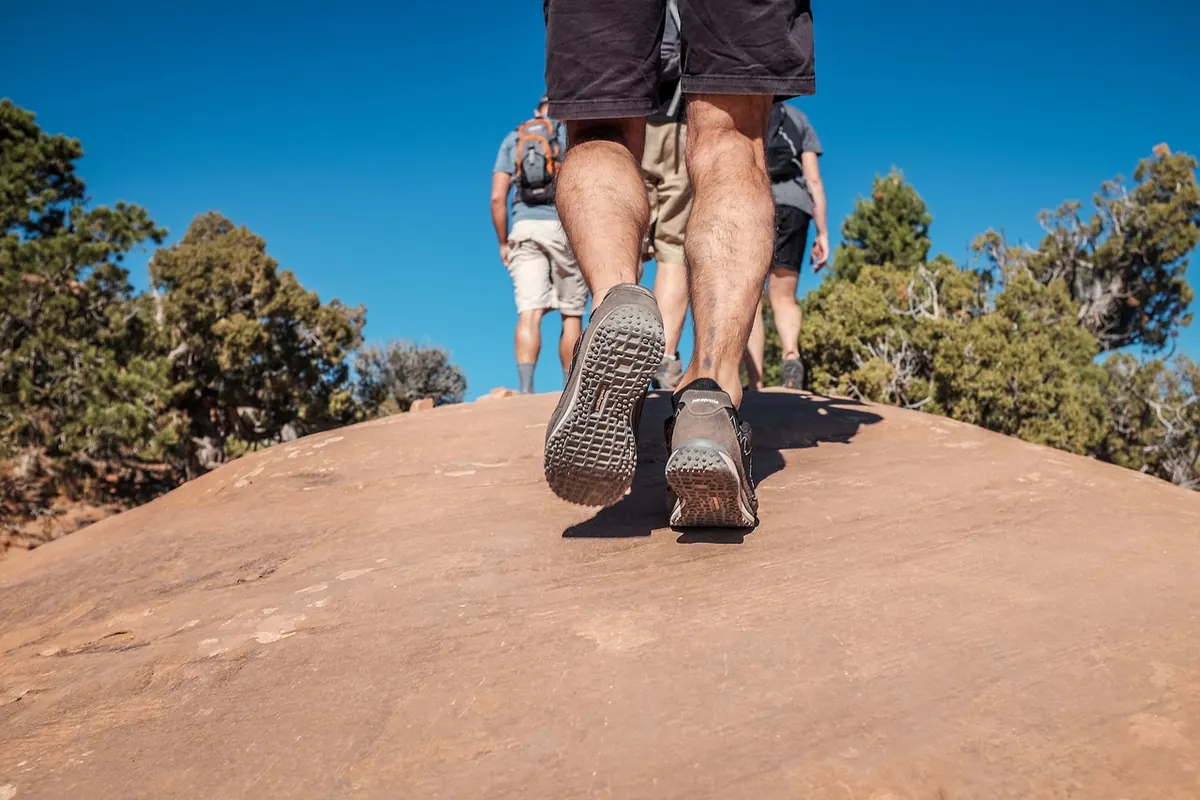
The problem isn't the distance, it's the surface. A road shoe has a flat, fairly hard sole built to grip pavement. Point it at a damp slab of limestone and it will slide. Thin soles also let every stone poke through, which is tiring in a way that sneaks up on you over two hours.
What to wear instead
- Choose shoes with a deep, soft tread. Trail runners suit most short walks and need no breaking in.
- Wear wool or synthetic socks rather than cotton. Cotton holds water and rubs.
- Test any new footwear on a short local walk first. Blisters announce themselves at the two-mile mark, not the front door.
- If your ankles roll easily, a mid-height boot is worth the extra weight even on gentle ground.
- Keep a dry pair of socks in the car. It sounds trivial until the drive home.
2. Packing for a Summit You Aren't Climbing
Short hikes attract two opposite errors. Some people set off with nothing but a phone at 40% battery. Others carry a full expedition load — flask, spare jacket, camera, three snacks, a paperback — and spend the whole walk shifting the straps.
Both make the day harder than it needs to be. Pack for the weather and the worst hour, not for the distance. A 10 to 15 litre rucksack covers almost every short walk comfortably. Inside it: water, a snack, a light waterproof, a warm layer, a charged phone, and a small first aid kit with plasters and a blister dressing. Add a headtorch in winter, and a paper map if you're somewhere unfamiliar.
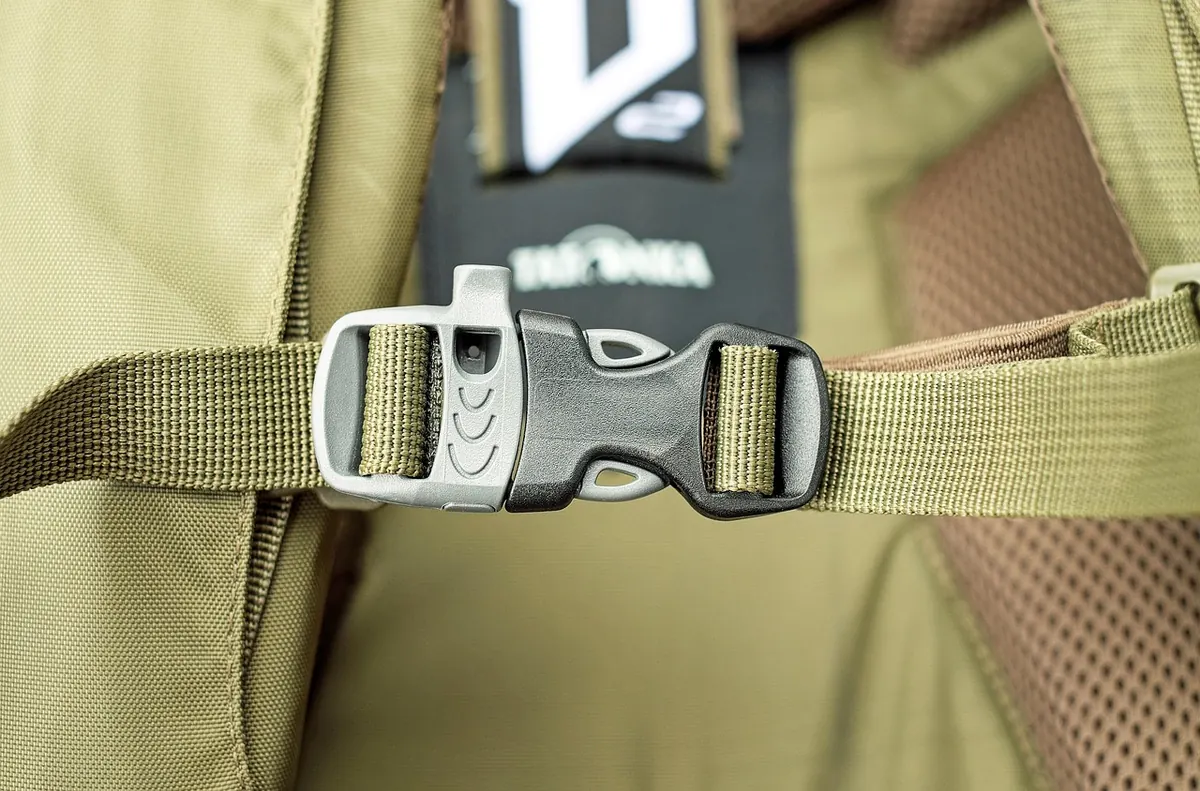
How you carry it matters as much as what's in it. Keep heavier items close to your back and at mid-height, and tighten the shoulder straps and hip belt so the bag moves with you rather than bouncing against your spine.
3. Starting Too Fast and Paying for It Later
Plenty of people walk a short trail as though they're late for something. They set off at a pace they can hold for ten minutes, then wonder why the last mile feels like a punishment. On hills this is where most of the misery comes from: charging up the first slope, stopping dead, starting again, repeating.
The rhythm that works is boring and steady. Aim for a pace where you can still hold a conversation. On climbs, shorten your steps rather than speeding up; you'll spend less energy for the same height gained. Take breaks before you need them and keep them short. Two or three minutes standing with your pack off beats twenty minutes sitting down, which stiffens everything up and makes the restart feel worse.
Group pace matters too. The fastest walker sets the tone and the slowest suffers in silence. Put the slowest person second from the front, and let the group stay together. Nobody enjoys being shouted at from a hundred yards ahead.
4. Checking the Weather After You've Left the House
A forecast read the night before is a forecast for a different day. Fronts arrive early. Wind shifts. A sheltered valley can be calm while the ridge above it is miserable.
Check conditions for the actual area and the actual hours you'll be out, not just for the nearest town. Look at wind speed as well as temperature, and at when rain is due rather than whether it might appear. Coastal paths, moorland edges and wooded valleys all behave differently, and a short walk can cross two of them.
Then dress for change. Start slightly cool and add layers before you begin to sweat, which is far easier than drying out afterwards. Keep your waterproof shell at the top of the bag instead of buried at the bottom where you won't stop to dig it out. Cold and wet is the combination that catches people out on short walks, precisely because it's never the plan.
5. Assuming You Can't Get Lost on a Two-Mile Trail
Short, well-signed trails get people lost constantly. The junctions come sooner than expected. The waymark is on the far side of the gate. The phone shows one bar, then none.
A few habits prevent almost all of it:
- Photograph the trail map at the car park, or download it for offline use before you leave.
- Note the name of the trailhead and where you parked. "Somewhere near the reservoir" is not a plan.
- At every junction, turn around and look back the way you came. Trails look different in reverse, and that's the view you'll need on the return.
- Keep the phone in low power mode. Navigation apps drain batteries quickly in weak signal.
- Tell someone your route and your expected return time.
If you do lose the path, stop walking. Retrace your steps to the last point you were certain about rather than pressing on and hoping, which usually means drifting downhill into a valley and further from the trail.
Before You Leave: A Two-Minute Check
Run through this in the doorway and most of the mistakes above never happen:
- Shoes with grip, socks that aren't cotton.
- Water, snack, waterproof, warm layer, small first aid kit.
- Forecast checked for the exact area, for today.
- Offline map or route photo saved, and someone knows your plan.
- Pace set for conversation, with the slowest walker near the front.
Then go and enjoy it. Short walks are supposed to be the easy ones, and a little preparation keeps them that way.
If you have a heart or lung condition, or you're returning from injury, speak to a doctor before taking on hills or longer routes. When walking with children or dogs, plan around their limits rather than your own — both tire faster than adults expect.
Photo: StockSnap / Pixabay
Related posts
More stories you’ll love reading